World Curlew Day

‘…of all the birds the curlew best expresses the untamed spirit of this northern country where the fells merge imperceptibly into the narrow valleys’. Marie Hartley and Ella Pontefract, Yorkshire Cottage (1941)

This post is all about the the Eurasian Curlew (Numenius Arquata). This iconic bird has become so endangered that, thanks to Mary Colwell founder of Curlew Action, it now has its own day on the 21st April in the hope of raising awareness of the need for us all to step up and take action to prevent it’s beautiful bubbling cry becoming a distant memory. So please join me in celebrating this beautiful wader that comes to the Yorkshire Dales each year to breed.

The curlew is one of my favourite birds and I have made many prints of them over the years. I’m currently working on Cherish which is a joint project celebrating priority bird species found in the Yorkshire Dales National Park and I will be including the curlew amongst my flock of lapwings, ring ouzels, mistle thrushes, swifts, house martins, merlins, skylarks and many more.

Through my research in the archives at the Dales Countryside Museum (and also a day at The Folly Museum), one thing that has become clear is the joy that the curlew has brought to so many people over the years.
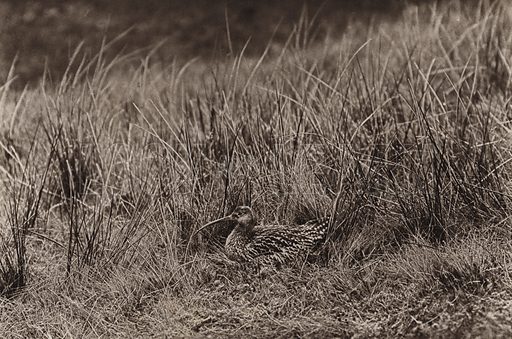
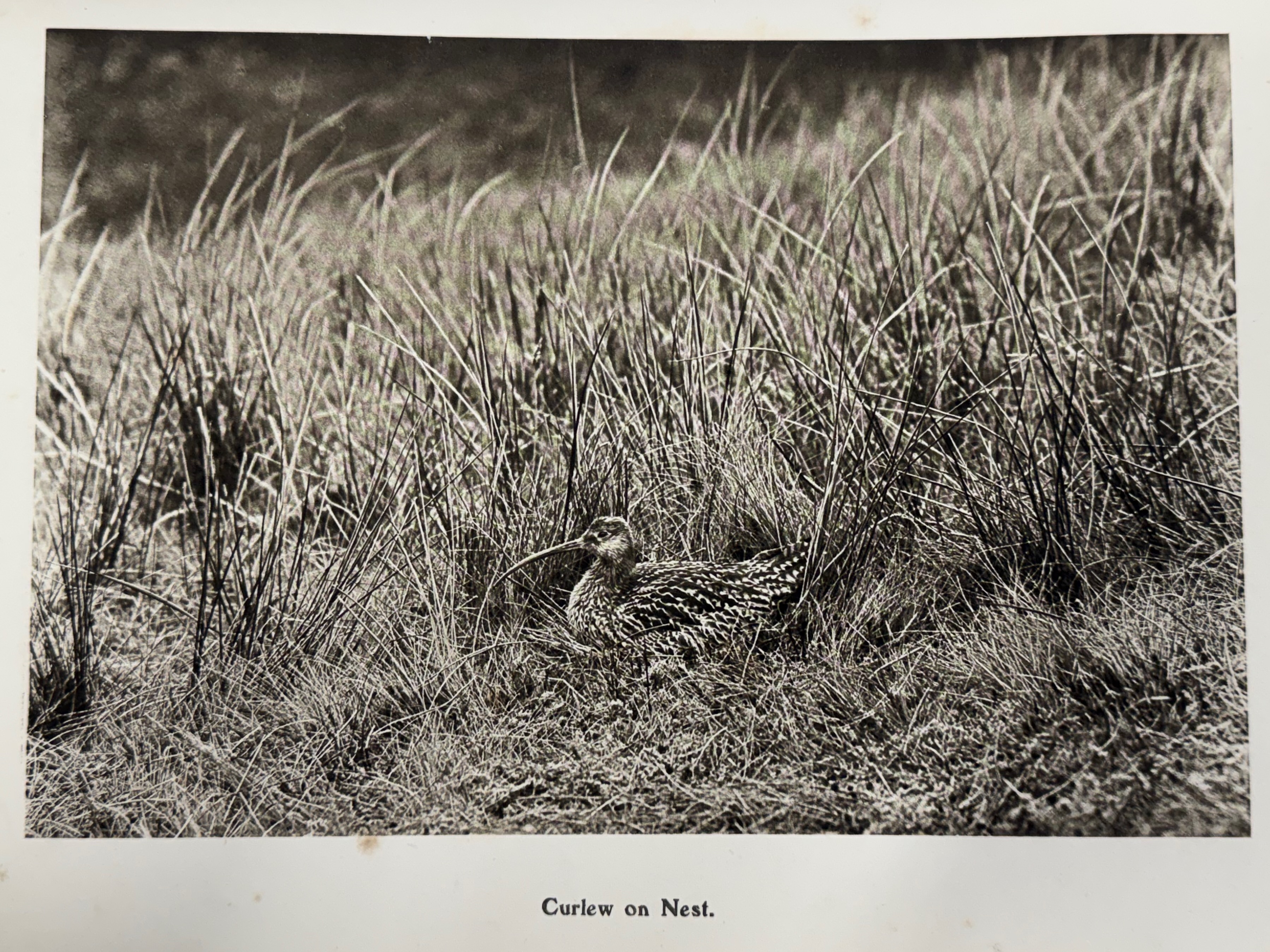
Curlew on Nest, photo taken by Richard Keaton and published in Kearton’s Nature Pictures (courtesy of the Dales Countryside Museum Archive)

Richard Kearton wrote in Kearton’s Nature Pictures (1910) ‘The common curlew is in my opinion the most magnificent and interesting wader that breeds in the British Isles…’ he continues to describe growing up in North Yorkshire and and wandering ‘amongst the solitude of the Yorkshire moors within sound of its noble voice and I never hear the birds thrilling notes again without having my soul stirred to ecstasies within me’.
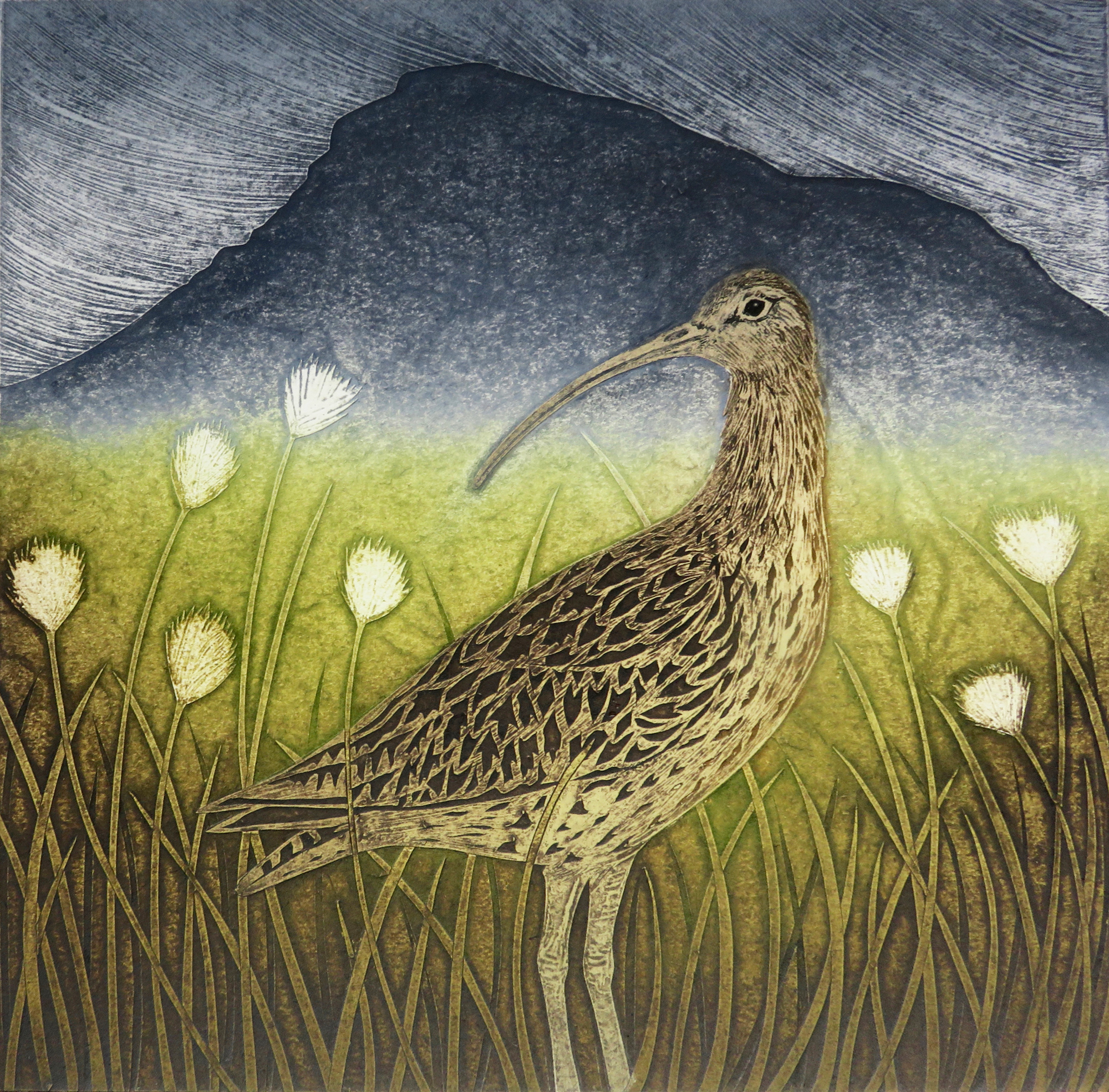
An older collagraph that I made when I moved to Horton-in-Ribblesdale and realised that curlews nested just metres from my house.

William (Bill) Mitchell, author and long time editor of The Dalesman wrote in his book A Few Million Birds (1971) ‘Curlew was the first bird to thrill me as a toddler’ and I am repeating his description here because I cannot describe one better ‘I saw a curlew breasting the wind like a feathered kite. It had climbed high with a few vigorous wing-beats and began to glide, slowly cooing, then bursting forth with a bubbling aria. When it came to earth again it perched on the capstone of a wall and I can see it now—a tall and graceful silhouette, its 5-inch bill gleaming like a sabre in the strong light and the wild Pennine moors stretching all around’.
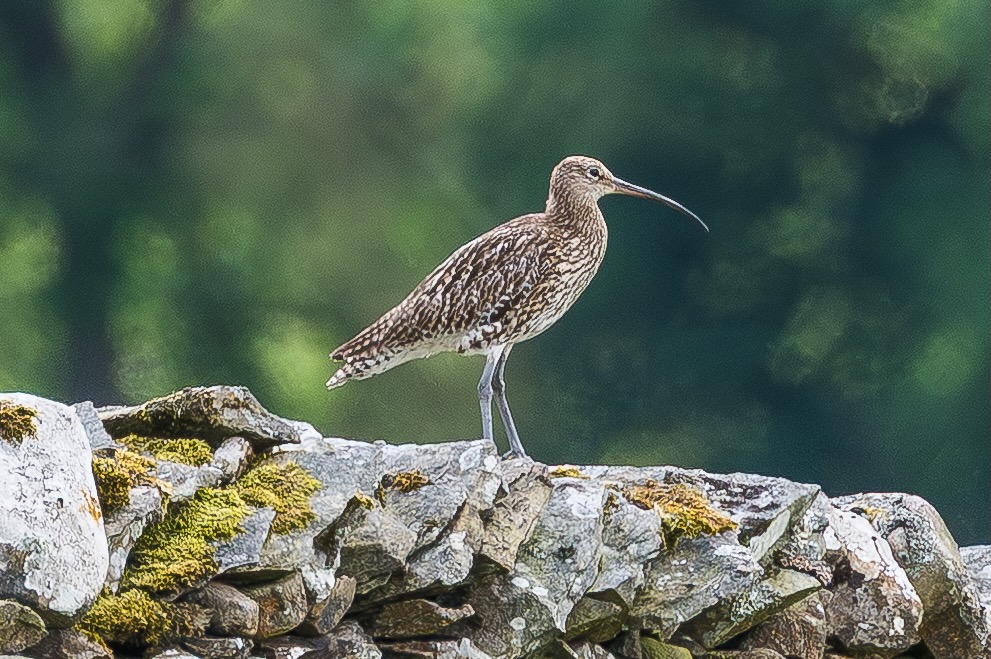
A lovely photo of a curlew on a drystone wall (taken by Brian Stallwood)

From the Bill Shorrock Archive at The Folly Museum, the archivists found me a rare copy of Shorrock’s book Birds of Settle (1987). Under the entry for the curlew, Shorrock says ‘From July to October moulting flocks gather in the Ribble Valley and at Malham Tarn Moss. On the latter site P. F. Holmes recorded up to three thousand birds in August and September during the 1950s. Present day numbers rarely reach five hundred – the Ribble Valley up until 1975 normally reached a peak of two thousand birds in September. Since 1975 a decrease has taken place – eight hundred is the usual maximum’.
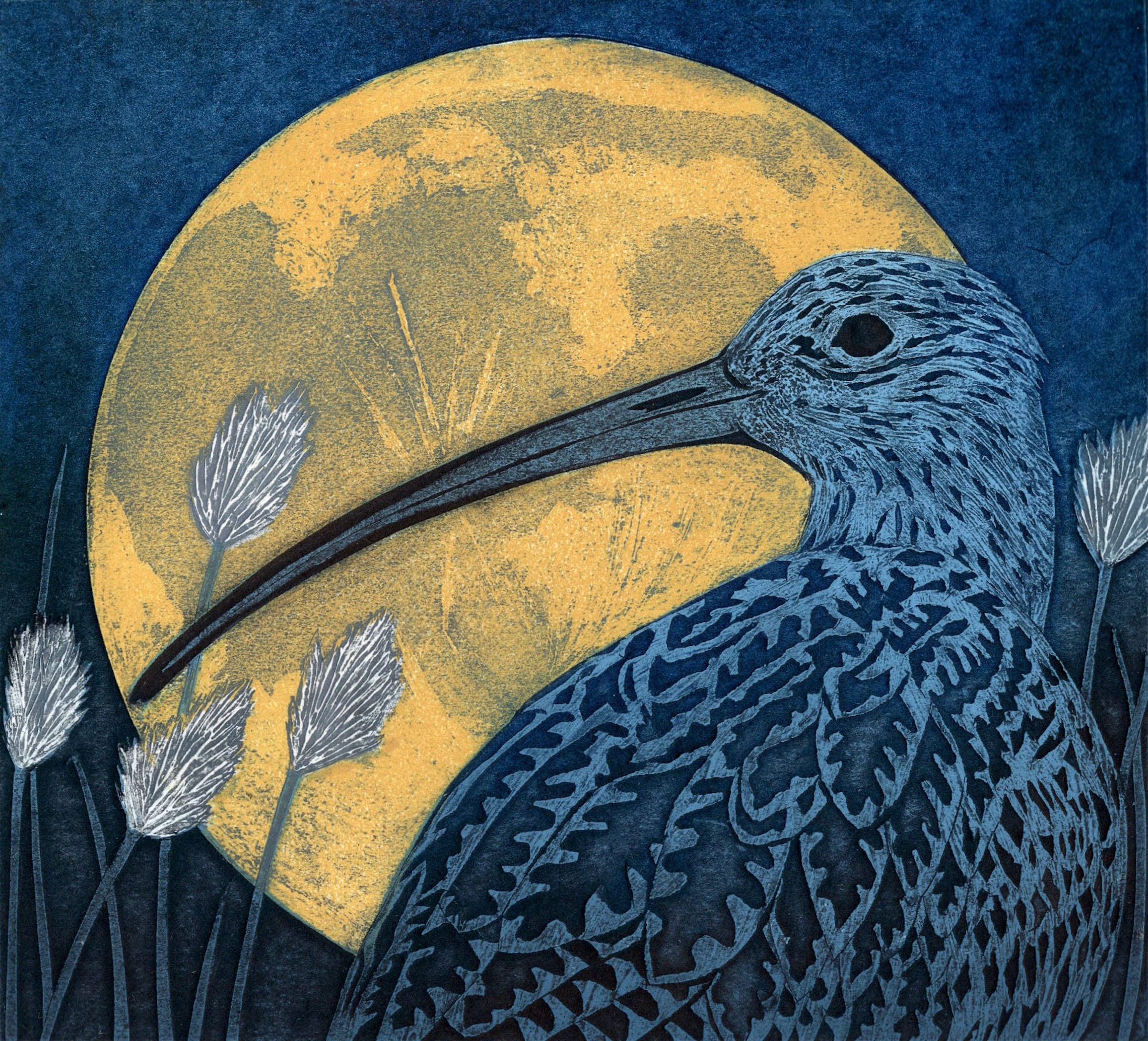
My 2025 collagraph, Midsummer Moon, inspired by a midsummer even spent listening to curlew from the buttresses of Pen-y-Ghent.

The decline of curlew populations due to various changes to the countryside is tragic. Curlew Action say that the numbers in Ireland have decreased by 90%, Wales by 80% and 60 % throughout England and Scotland. Conservation groups across Europe are working tirelessly to try and turn this around and many individuals (including me) are trying to raise awareness, and funding to help make possible the work they are doing. In conserving the curlew, we not only ensure that our children and their children will have the pleasure of seeing this beautiful bird, we are also improving conditions for other species. On World Curlew Day you couldn’t do better than exploring all the information and links at Curlew Action HERE
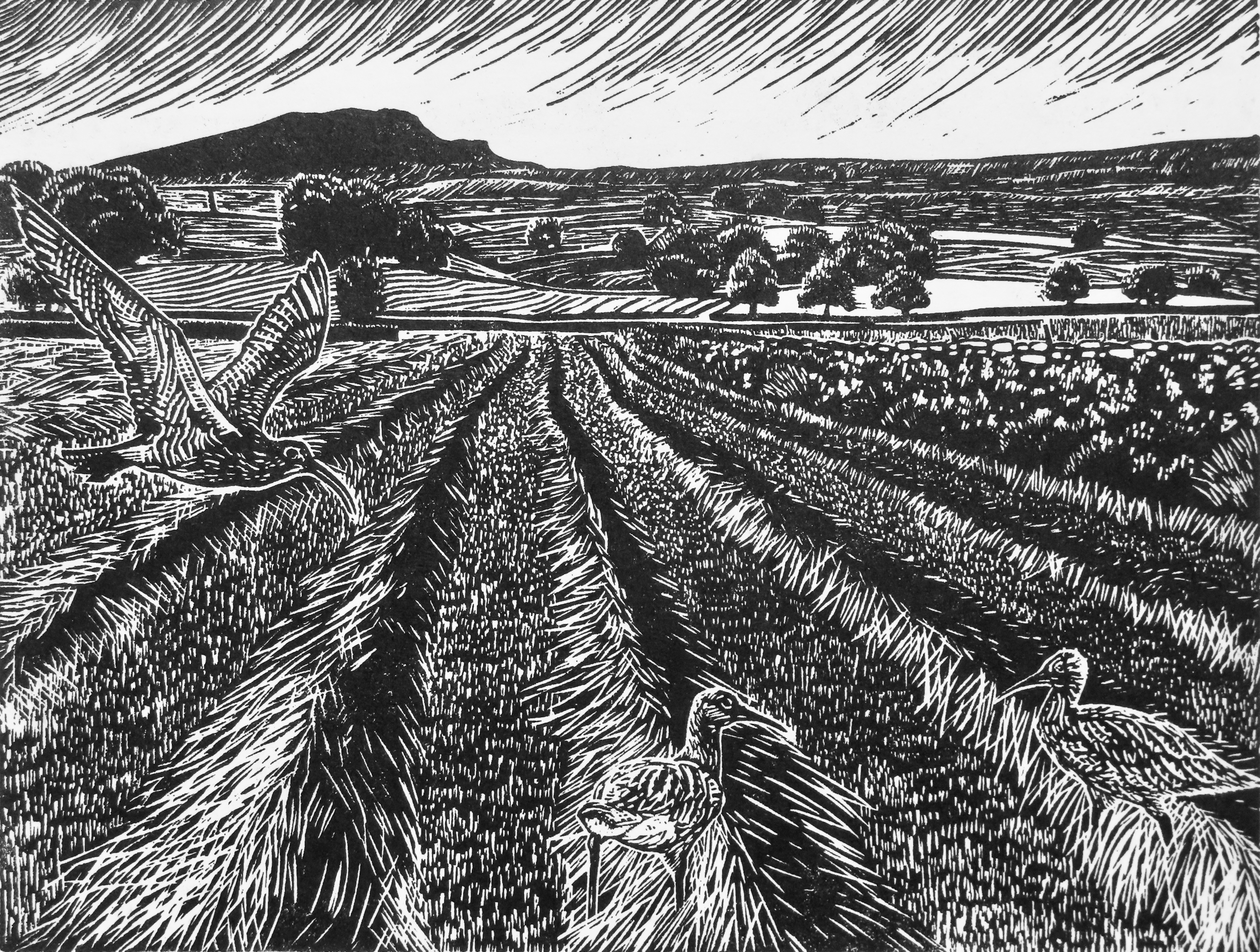
July, a linocut celebrating the successful fledging of curlew chicks from my neighbour’s meadows.

Ending on a positive story…in July of 2023, I was delighted to witness the successful fledging of four curlew chicks in my neighbours meadows. They had cut the hay but left a wide margin of meadowsweet and other plants along the wall-line and the curlew chicks were able to stay out of harms way. Brian and I were able to see them all flying about with the parents keeping watch from the wall tops. The following day they were gone and we guessed that they had set off for to their wintering grounds together.
Many Happy Returns!!

Spring feels like it is finally here and, thanks to Ryedale Folk Museum, I have discovered that my birthday – 12th of March – which I knew was St. Gregory’s Day, is also known in the folk calendar as Bird Day and is the day that “people started watching for signs of spring returning from our feathered friends – listening out for songbirds, looking for them making their nests. It was also the day that birds were said to choose a mate“. My post today is about the joy many of us feel from observing bird behaviour as the flowers start to bloom and we begin to feel a little warmth from the sun.

Yesterday I drove over to the Dales Countryside Museum to do some more research in the archives for Cherish and I spent all day getting lost in books written in the latter part of the nineteenth and early twentieth century. I found myself following chains of information about the extraordinary people who still speak to us through the centuries because of their extensive knowledge and interest in natural history.

My head is full and I feel inspired and, all the while, the Yorkshire Dales are coming alive with birds as they come out of their winter quietude to fill the air with song. The happiest moments are when I see flocks of waders returning from their winter retreats and most notably the call of the first curlew heard near my studio in Horton-in-Ribblesdale (20th February).

Illustration from the museum’s copy of Keartons’ Nature Pictures Vol 2 (Cassel 1910)

In the second volume of Keartons’ Nature Pictures (Cassel 1910), Richard Kearton says of the curlew ‘for upwards of twenty years I lived and wandered amongst the solitudes of the Yorkshire moors within sound of its noble voice, and I never hear the bird’s thrilling notes without having my soul stirred and my spirits lifted’.

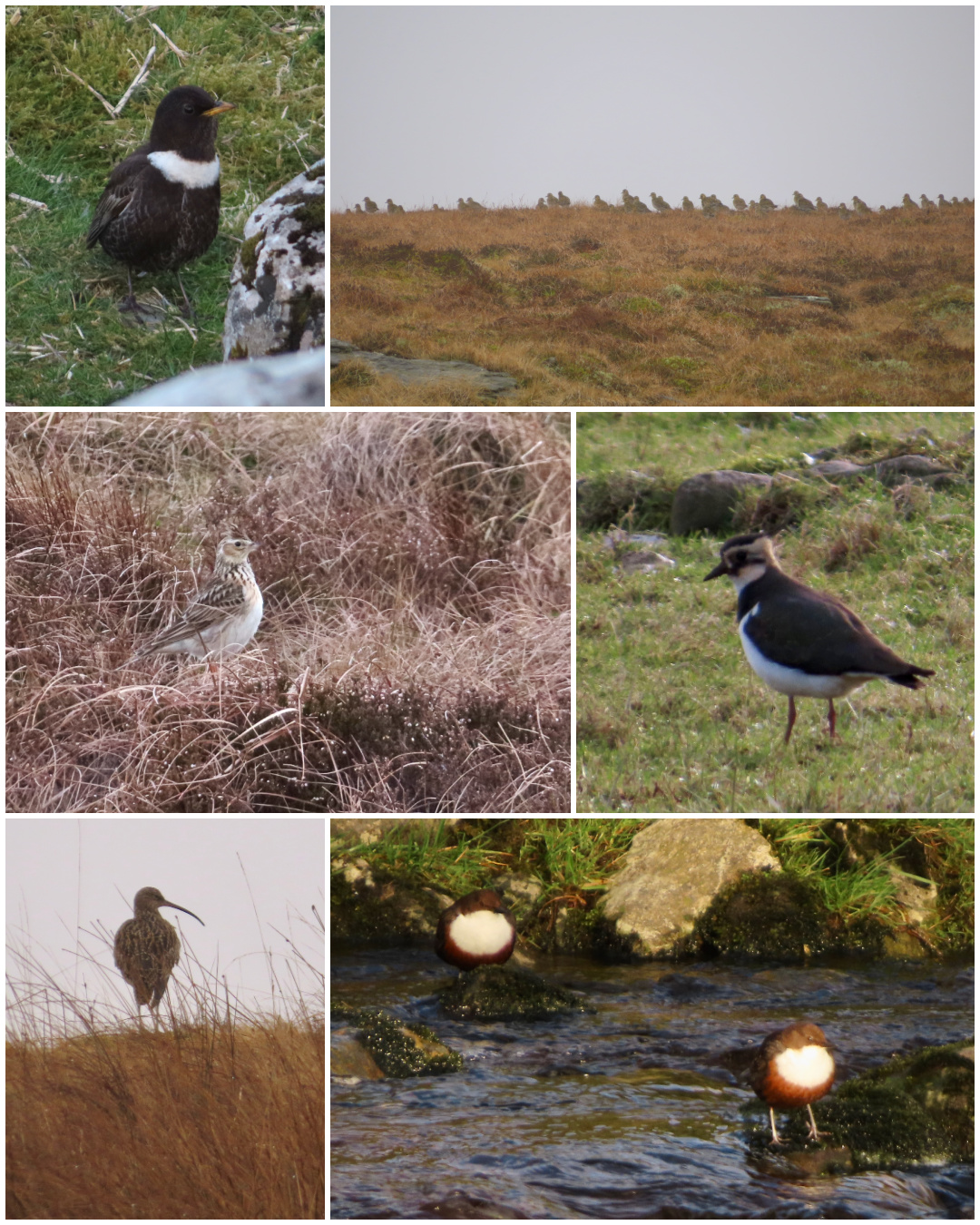
Photo showing a ring ouzel, a flock of golden plover, skylark, lapwing, curlew and a pair of dippers. Photos taken by Hester Cox.
Photos of birds I’ve seen in the last month. The ring ouzel is from last year because this year’s photo was terrible (I hope to get some better ones)

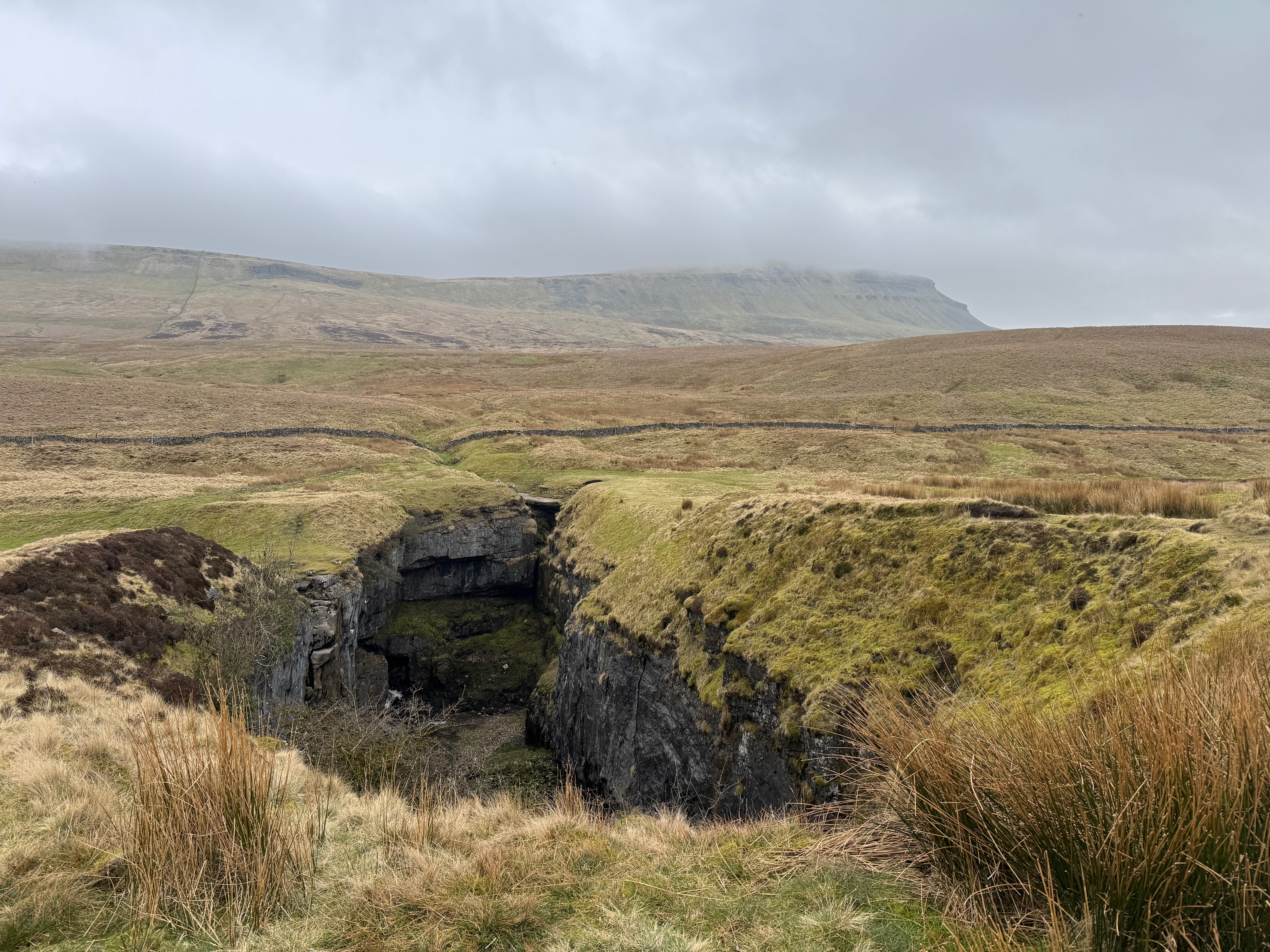
It is a lovely thing to be completely on your own and yet find yourself exclaiming aloud with joy at the song of the skylark or the sight of a flock of returning waders. One of my highlights from the last few weeks was on 8th March when I decided to have a run up Plover Hill and Pen-y-Ghent to see if the golden plover had returned and on the way I detoured for a quick look at Hull Pot:

It was an overcast and unpromising day but as I looked to see if anything was in it, I saw a flash of black and white and to my surprise, a ring ouzel was flitting about above it! I was able to watch it descend into Hull Pot and sit on a branch. It proceeded to fly in and out until a bunch of excited young men came over to admire this geological spectacle and it flew away (I’ve since been back and spent forty five minutes hiding in sedge being bothered by gnats whilst I could hear one calling nearby but never actually saw it).

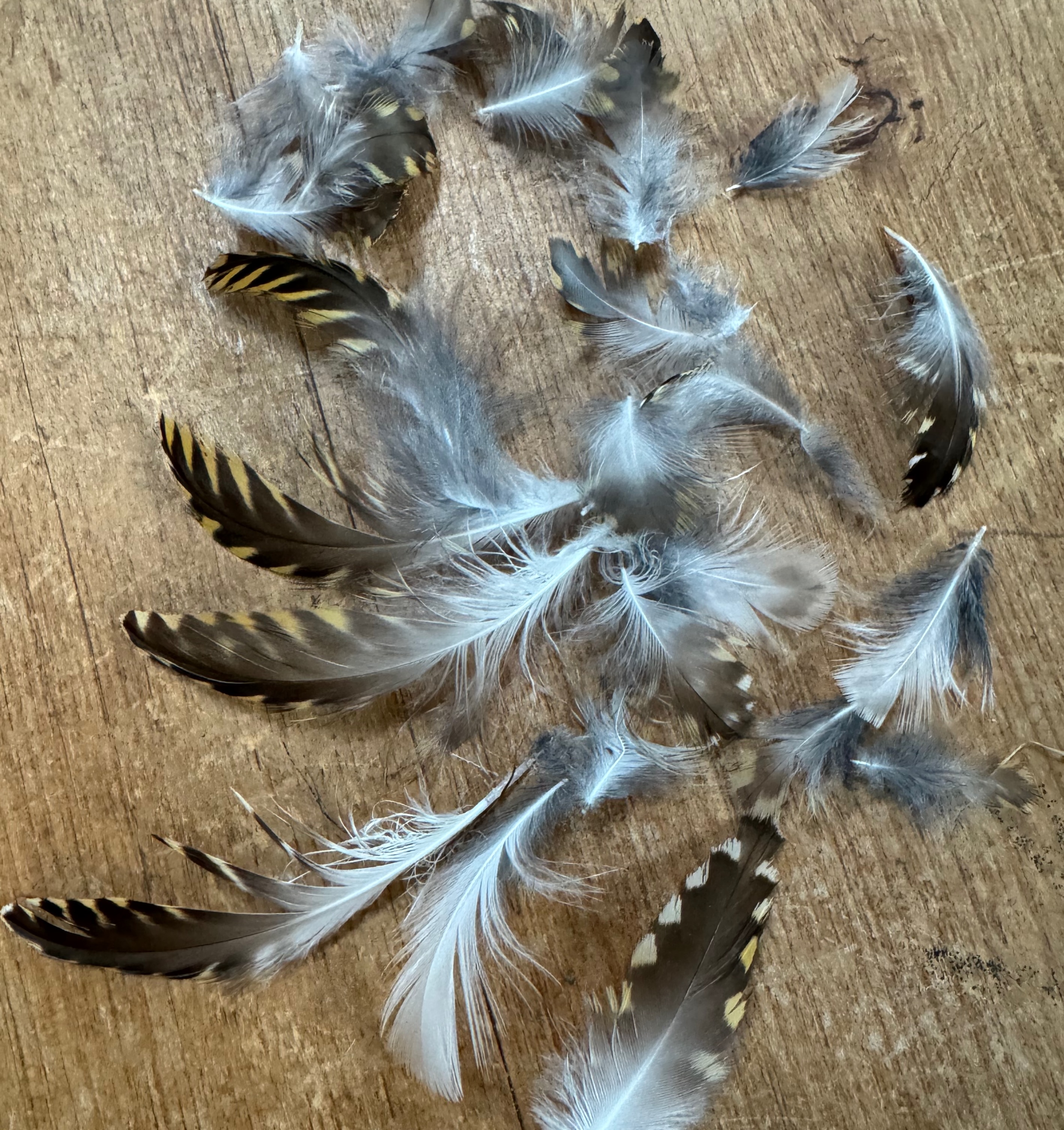
With a happy heart and buoyed along by the singing of skylarks, I continued to the summit of Plover Hill where, sure enough, I caught sight of a large flock of birds flying and then settling on a drystone wall in the mist. I crept along, keeping low to avoid scaring them, and as I was doing so I discovered that the heather was littered with beautiful golden barred feathers. I didn’t have to get too close to see that there was a flock of around sixty of these stunning waders and every now and then I could hear the little plaintive cry which I always associate with the upper fells.

Ella Pontefract and Marie Hartley described them in their book, Yorkshire Cottage (1942): they haunt particular stretches of the moor, where they will stand motionless on rock or tufts of heather for long periods. Aloof and handsome in their golden plumage, they might be called the aristocrats of the moor. Just as their plumage loses itself in the heather and bents, so their melancholy whistling note might be the wind of the crags.

I’m now off to the studio to do some thinking and drawing. Tomorrow I plan to cycle up beyond Ribblehead to the place that I saw lapwings displaying to each on my drive home from the museum. Happy days!

NB I would love to hear anyone’s memories of birds in the Yorkshire Dales and particularly any thoughts about declining population numbers, you can leave me a note here or contact me through my website, thank you: https://www.hestercox.com.

Celebrating Meadows and Curlews! Two exhibitions to enjoy this summer.

It has been a long time since I wrote anything but I have plans for ‘short and sweet’ in future so that maybe, just maybe I’ll write more often than once every year! This post is just to let everyone know that I have two exhibitions on at the moment.

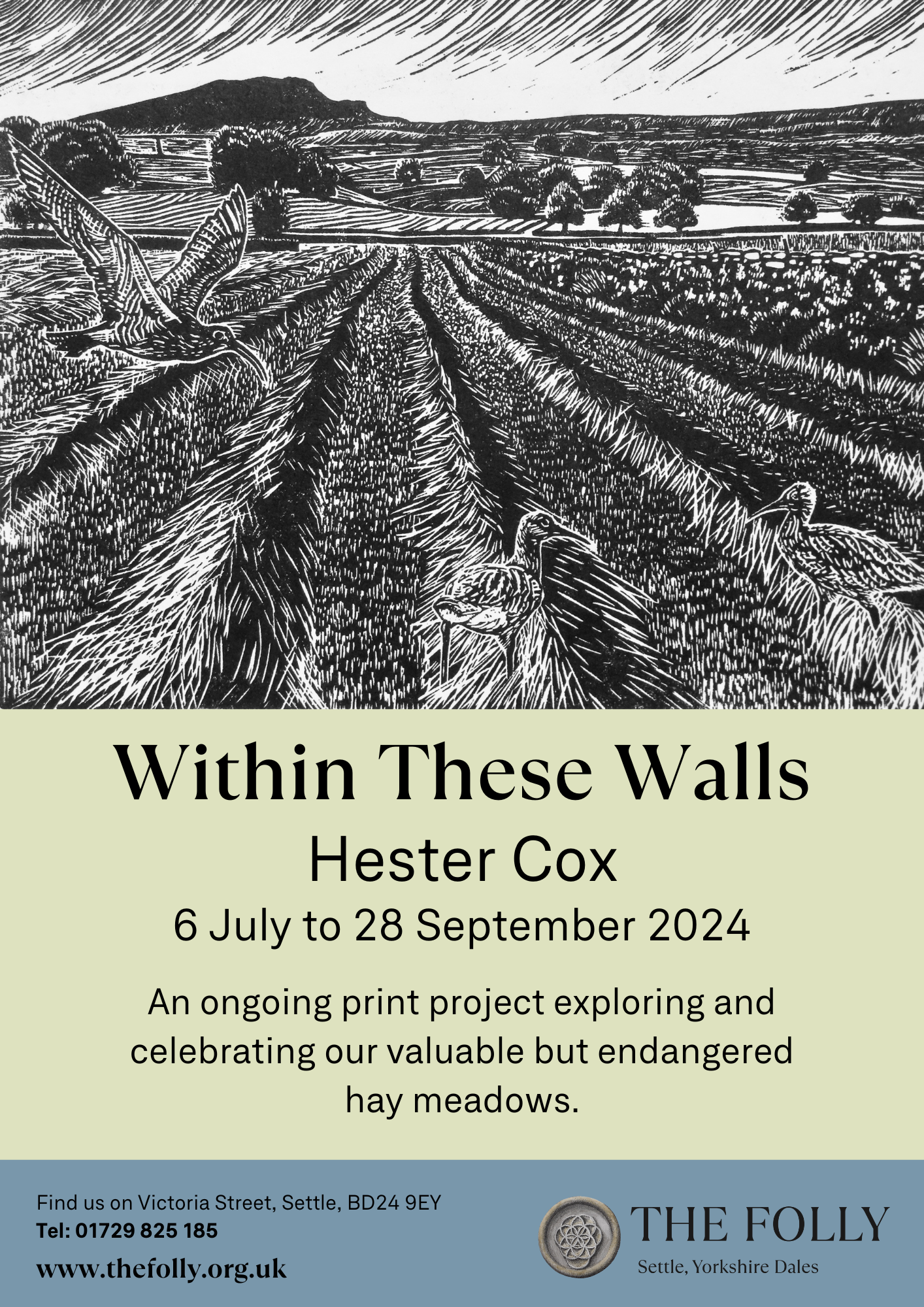
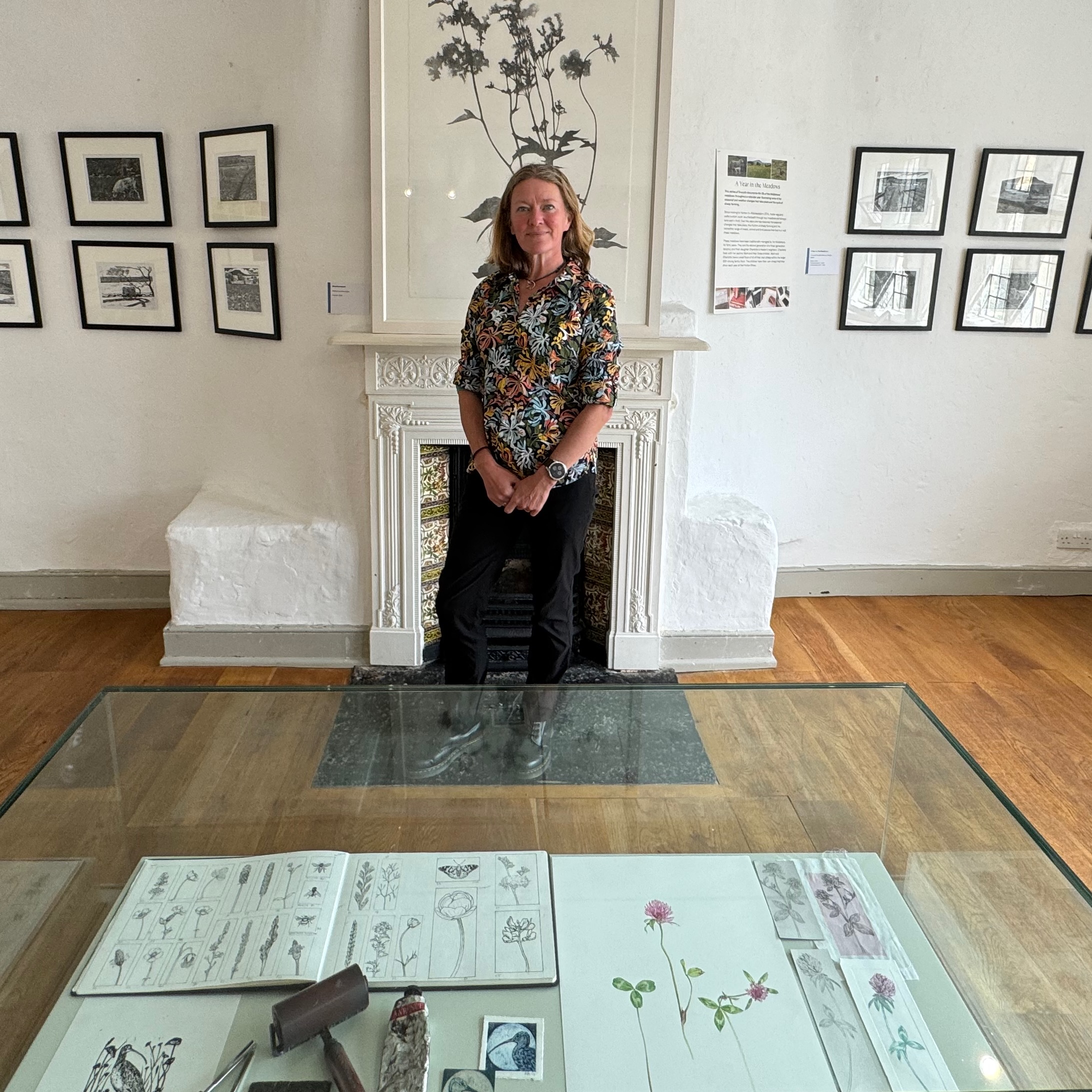
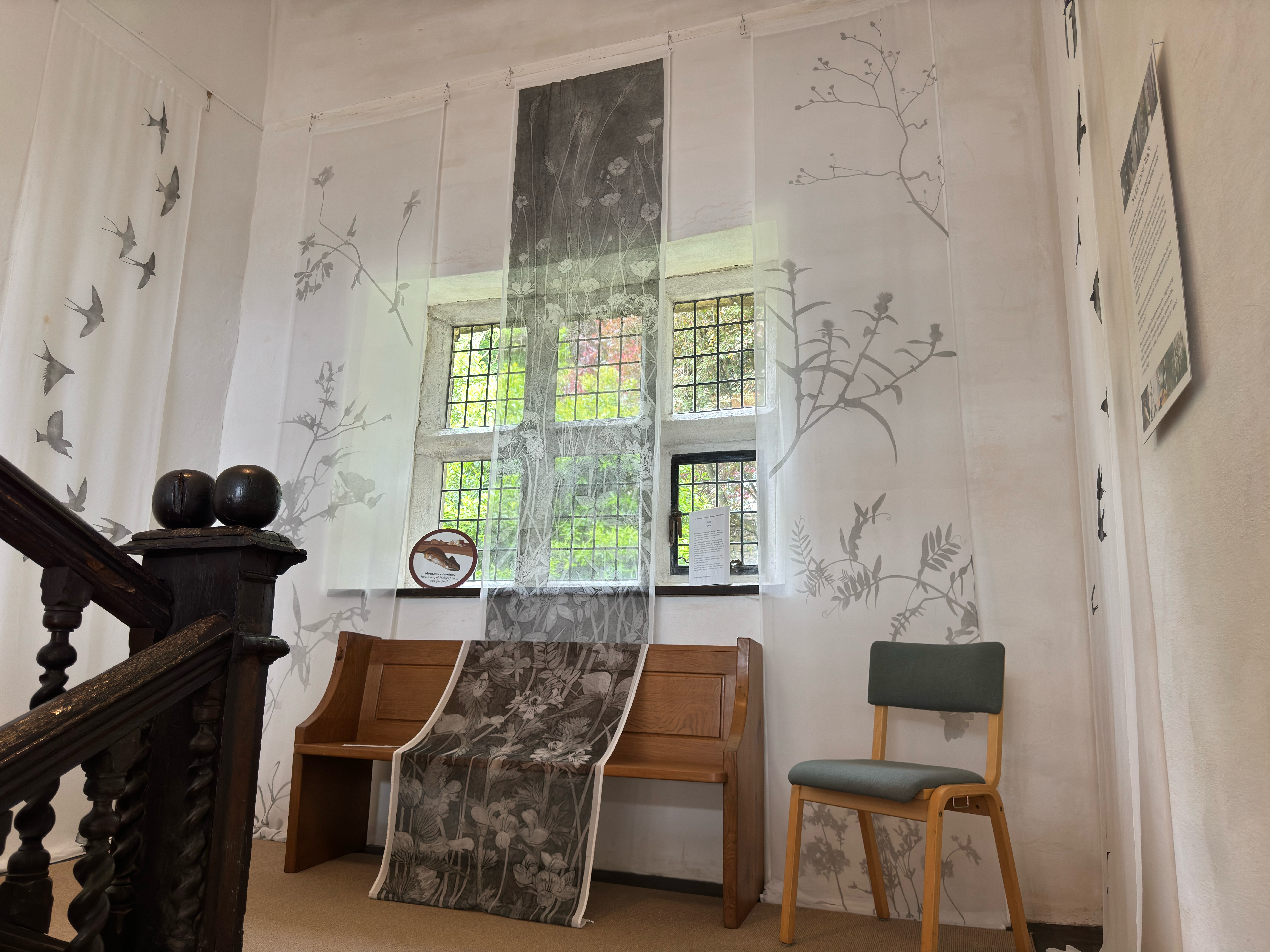
I’m absolutely delighted that Within These Walls has a new venue. The Folly is an old and fascinating building housing the Museum of North Craven Life and also the award-winning The Folly Coffee House! My hangings are gracing the upper stair well and the rest of my project is exhibited in the top floor gallery space. The museum is at Victoria Street, Settle, North Yorkshire, BD24 9EY and is open:
Tuesday – Saturday and bank holiday Mondays, 11:00am to 4:00pm (last admission 3:30pm)
The Folly Coffee House is open:
Monday-Saturday 10:00am to 4:00pm

The other exhibition is a fabulous project called Cry of the Curlew coordinated by Paco Valera and Barbara Murray whose photos and poetry document the plight of the iconic curlews of the Yorkshire Dales. As a longterm curlew admirer and campaigner, I am delighted to exhibit my collagraphs and Migration series prints in this important exhibition that has been previously been shown at the Dales Countryside Museum.

Here’s what Kendal Museum has to say:

The beauty and fragility of Curlews is highlighted through the stunning photography of Paco Valera and insightful prose-poetry by Barbara Murray. Inspiring artwork is on display by Sally Zaranko, Hester Cox, Judith Bromley, and Robert Nicholls, alongside the wire sculptures of Stephanie Smith. Swedish artists Emily Berry Mennerdahl and Jonas Böttern of Hillside Projects present work symbolising ecological collapse. A video and soundscape by June Gersten-Roberts features interviews with farmers on sustainability, along with Alastair McIntosh’s poem, Extinction set to the music of Loriana Pauli. A new watercolour work by Dr William Titley of In-Situ beautifully maps ‘The Curlew Way,’ as part of his Walking with Landscape project. A wonderful display by Curlew Recovery South Lakes will demonstrate the vital work they are doing to protect nests and support the delicate local population of these beautiful birds, as well as sharing ways you can get involved.

I’ll be taking a well-earned break in Scotland in August but when I return in September I will be starting new work celebrating some of our priority bird species of the Yorkshire Dales National Park.